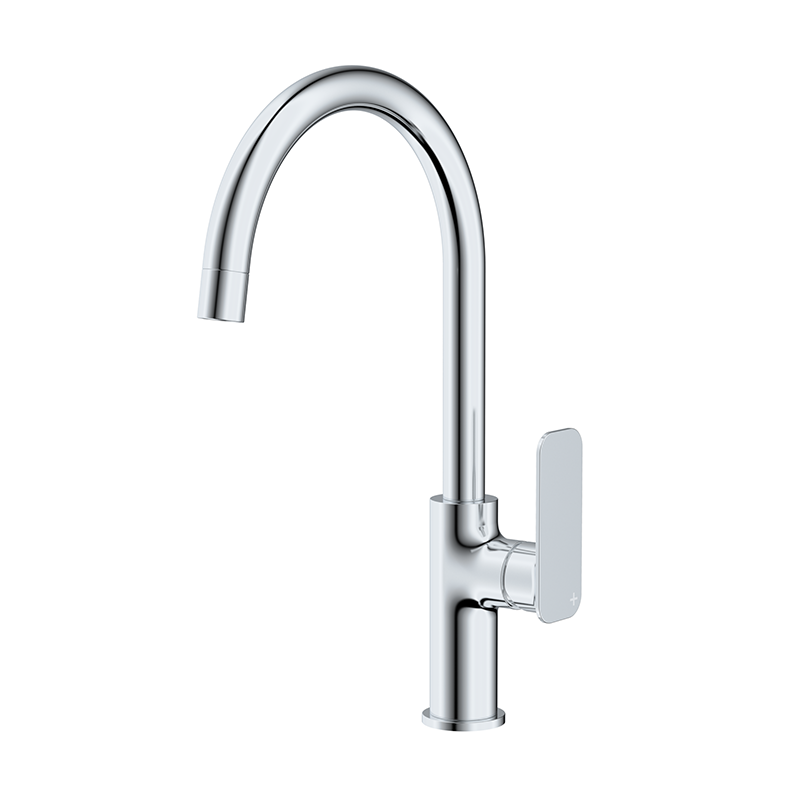
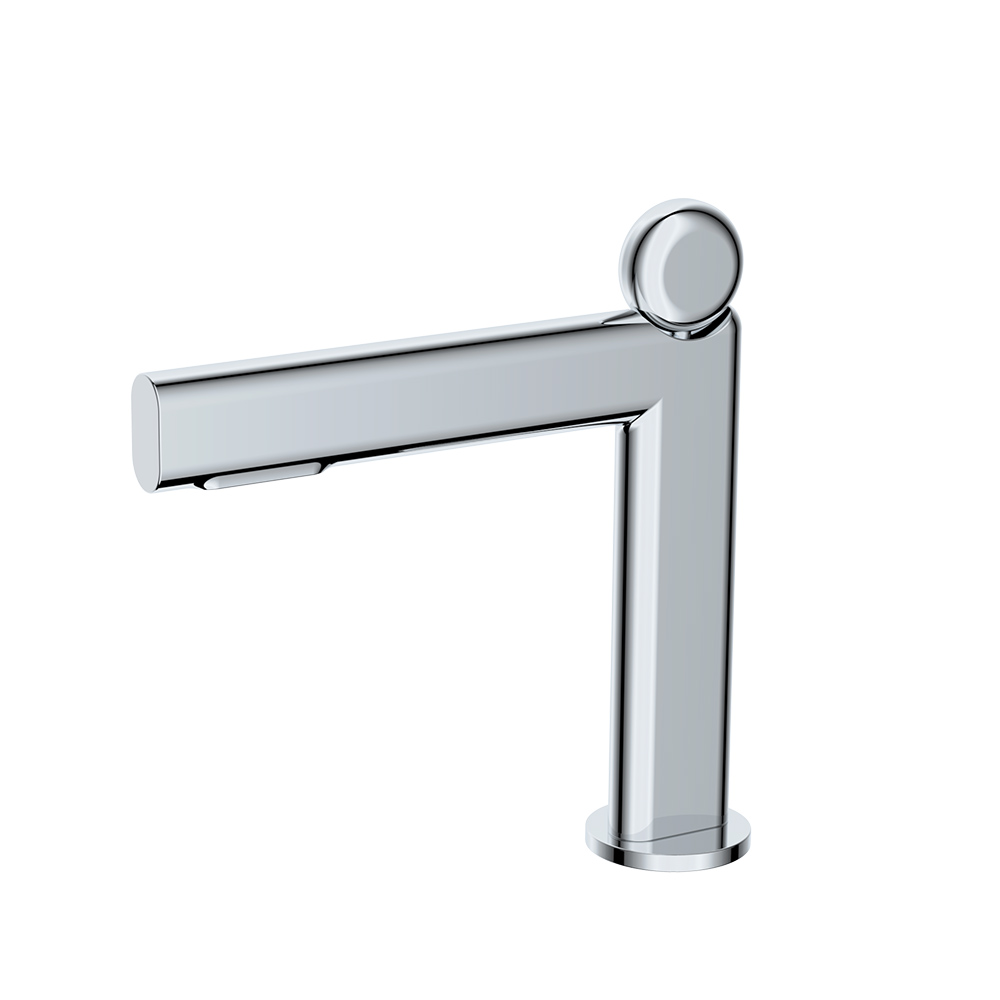
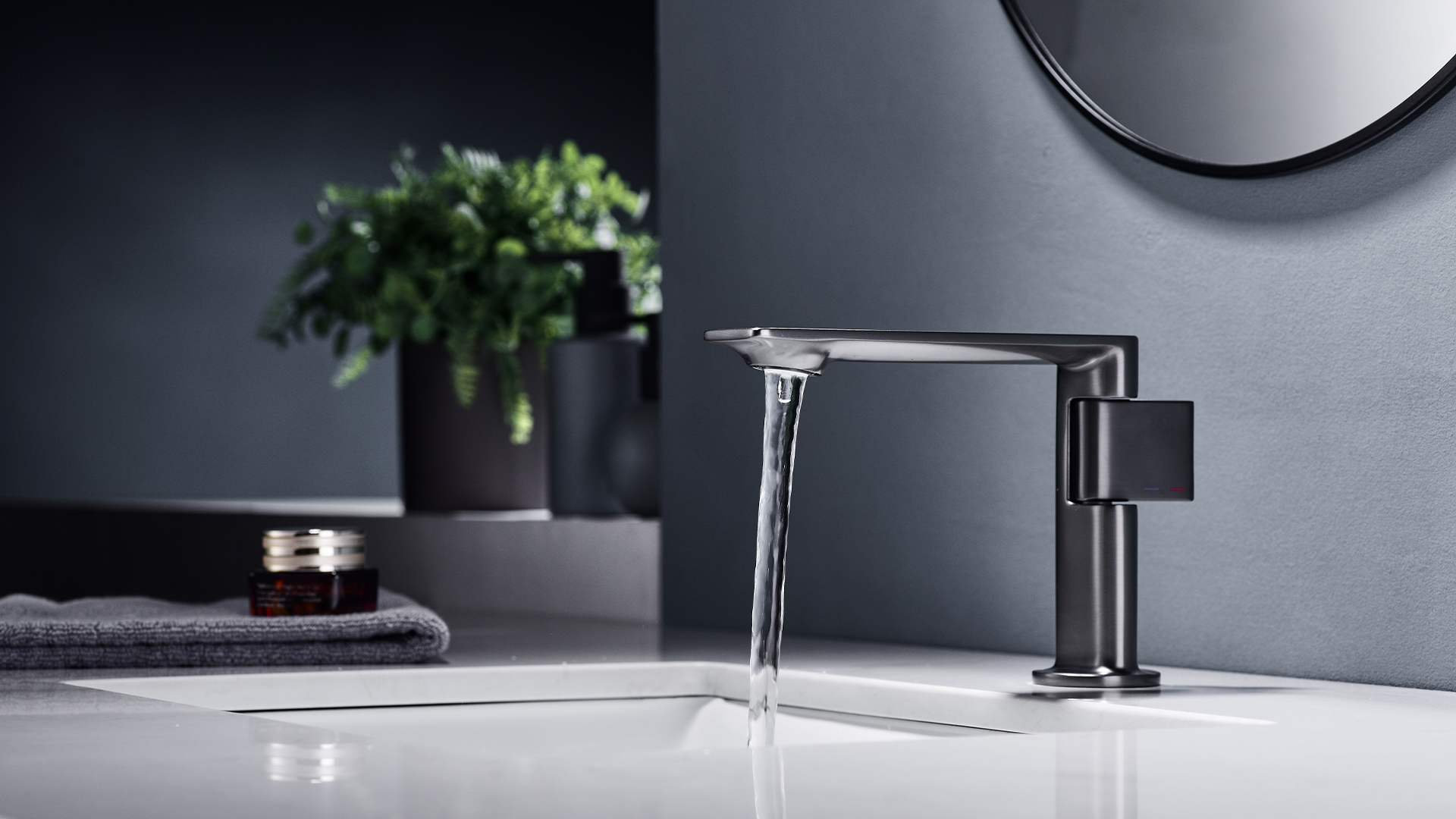
An aluminum faucet, by contrast, is almost always die-cast from alloys like A380 or ADC12—formulations rich in silicon and copper for fluidity in molds, but inherently porous and brittle. Because raw aluminum reacts aggressively with water (especially hot or acidic), the entire wetted surface must be lined with epoxy, powder-coated, or anodized.
To call a faucet “polished” is to describe not a single action, but an orchestrated sequence of surface refinement and protective layering—a marriage of mechanical artistry and atomic-scale deposition. In manufacturing, “polished” doesn’t mean the metal is simply buffed and left bare. Instead, it refers to a final aesthetic state achieved through controlled substrate preparation and a hermetically sealed topcoat system.
Brass, with its inherent corrosion resistance and high tensile strength (~300–550 MPa), handles these challenges with minimal degradation over decades. Aluminum, while lightweight, has lower strength (~150–300 MPa) and is highly susceptible to galvanic and pitting corrosion—especially when in contact with dissimilar metals (like stainless steel supply lines) or in hard water.
The truth is, “matte” is not a single finish. It’s a family of engineered surface states, each born from distinct industrial processes, material choices, and protective strategies. And the difference between a matte faucet that ages gracefully and one that shows wear in months lies not in the color—but in the microstructure beneath your fingertips.
Because bare brass or zinc alloy is chemically naive—beautiful in the foundry, but tragically vulnerable in your sink. Left untreated, it oxidizes, tarnishes, leaches metals, and reacts with chlorides in tap water. Polishing might give a temporary luster, but within weeks, you’d see dulling, pitting, or even green patina (hello, Statue of Liberty).
The faucet (cathode) is submerged in an electrolyte bath containing metal ions (e.g., chromium, nickel, copper). An electric current reduces the ions onto the surface, building a dense, adherent metallic layer.
You might think a faucet is just a faucet, but anyone who’s tried to wash a giant pot in a tiny bathroom sink knows otherwise. Wash taps and kitchen faucets are designed with different tasks, flows, and user experiences in mind.
Choosing the right faucet for your home is more than just picking a style or finish. Wash taps and kitchen faucets serve distinct purposes and are engineered differently to meet their respective functional demands. Understanding these differences helps homeowners, renovators, and interior designers:
Choosing the right faucet is one of the most important decisions when designing or renovating a kitchen or bathroom. Two of the most popular materials on the market today are brass and stainless steel. Both offer durability, aesthetic appeal, and performance—but the differences can significantly affect your faucet’s longevity, maintenance, and style.
Stainless steel faucets are prized for their durability, corrosion resistance, modern aesthetics, and low maintenance. Choosing the right brand ensures high-quality construction, longevity, and stylish design.
We use cookies on our website to see how you interact with it. By accepting, you agree to our use of such cookies. privacy policy
Advanced Cookie Settings
Essential Cookies
These cookies enable core functionality such as security, verification of identity and network management. These cookies can’t be disabled.
Enable Marketing Cookies
These cookies are used to track advertising performance, consent to the sending of advertising-related user data to Google, and consent for the website to serve personalized advertising to provide more relevant services.
Enable Functional Cookies
These cookies collect data to remember choices users make to improve and give a more personalised experience.
Enable Analytics Cookies
These cookies help us to understand how visitors interact with our website, discover errors and provide a better overall analytics.
 English
 Español
 Portugues
 Français
 lingua italiana
 Tiếng Việt
 العربية