TAIZHOU ZHENGSHING VALVE CO., LTD.About TiemaZhongjia, Fengjiang, Luqiao, Taizhou City, Zhejiang, ChinaTaizhou Tiema Faucet Manufacturing Co., Ltd. is a professional R&D manufacturer of high-end bathroom kitchen faucets. We are committed to creating high-quality and fashionable indoor space for thousands of families.TAIZHOU ZHENGSHING VALVE CO., LTD.About TiemaZhongjia, Fengjiang, Luqiao, Taizhou City, Zhejiang, ChinaTaizhou Tiema Faucet Manufacturing Co., Ltd. is a professional R&D manufacturer of high-end bathroom kitchen faucets. We are committed to creating high-quality and fashionable indoor space for thousands of families.TAIZHOU ZHENGSHING VALVE CO., LTD.TAIZHOU ZHENGSHING VALVE CO., LTD.TAIZHOU ZHENGSHING VALVE CO., LTD.TAIZHOU ZHENGSHING VALVE CO., LTD.TAIZHOU ZHENGSHING VALVE CO., LTD.TAIZHOU ZHENGSHING VALVE CO., LTD.TAIZHOU ZHENGSHING VALVE CO., LTD.TAIZHOU ZHENGSHING VALVE CO., LTD.TAIZHOU ZHENGSHING VALVE CO., LTD.TAIZHOU ZHENGSHING VALVE CO., LTD.TAIZHOU ZHENGSHING VALVE CO., LTD.TAIZHOU ZHENGSHING VALVE CO., LTD.TAIZHOU ZHENGSHING V

  1. Home
  2. About Tiema
  3. News
  4. Common Issues with Plastic Shower Heads

Common Issues with Plastic Shower Heads

2025-07-07

Common Issues with Plastic Shower Heads (and How to Fix or Prevent Them)

Plastic shower heads are widely used in both residential and commercial facilities due to their affordability, lightweight construction, and ease of installation. However, while cost-effective, plastic components can present a unique set of challenges—especially in high-traffic environments like hotels, gyms, or public restrooms. Understanding the most common issues with plastic shower heads allows for quicker troubleshooting and more strategic product selection.
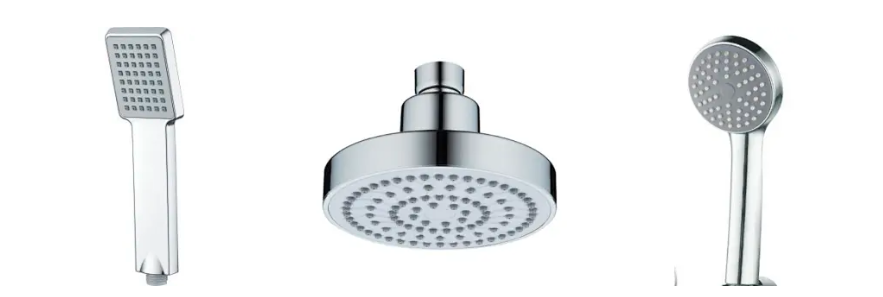
Cracking or Breakage

  • Plastic shower heads are prone to cracking over time, especially at the threaded connections or near the faceplate.
  • Causes:

    • Excessive tightening during installation.
    • Long-term exposure to hot water and steam.
    • Low-quality plastic or manufacturing defects.
  • Solutions:

    • Use a wrench with gentle torque and always follow manufacturer torque guidelines.
    • Choose shower heads made of reinforced ABS plastic or those labeled "crack-resistant."
    • Replace worn or cracked units promptly to prevent leaks or water damage.

Discoloration and Fading

  • Over time, white or chrome-plated plastic shower heads may become yellowed, discolored, or faded.
  • Causes:

    • Exposure to UV light or high-heat environments.
    • Use of harsh cleaners like bleach or ammonia.
  • Solutions:

    • Use mild, non-abrasive cleaners safe for plastics.
    • Opt for UV-resistant or color-stabilized plastics when choosing replacements.

Limescale and Mineral Buildup

  • Hard water can cause calcium and lime deposits to clog the nozzles, reducing water flow or causing uneven spray patterns.
  • Causes:

    • Frequent exposure to mineral-rich water without regular cleaning.
  • Solutions:

    • Soak the shower head in a vinegar solution regularly to dissolve buildup.
    • Choose models with rubber or silicone nozzles that are easier to clean with a simple wipe.
    • Consider installing a water softener in facilities with consistently hard water.

Leaking at the Connector

  • Water leaks from the joint where the shower head connects to the shower arm.
  • Causes:

    • Improper installation or missing/damaged rubber washers.
    • Thread wear or crack in the plastic threads.
  • Solutions:

    • Ensure Teflon tape is applied to threads before installation.
    • Always check for washers in place during replacement or reinstallation.
    • Avoid over-tightening to prevent stress fractures.

Reduced Water Pressure

  • Users experience weak or inconsistent water pressure from the shower head.
  • Causes:

    • Clogged nozzles due to sediment or mineral deposits.
    • Built-in flow restrictors partially blocking flow.
  • Solutions:

    • Remove and clean the shower head and screen filter.
    • Clean the nozzles thoroughly or replace the flow restrictor if water conservation is not a priority in that setting.
    • Choose high-efficiency plastic models that balance water-saving with pressure.

Loose or Wobbly Mounting

  • The shower head feels loose, unstable, or tilts unexpectedly.
  • Causes:

    • Worn internal threading or poorly secured swivel ball joints.
    • Low-quality plastic joints losing friction over time.
  • Solutions:

    • Tighten the swivel joint if adjustable.
    • Replace plastic mounting arms or ball joints if they no longer hold position.
    • Use commercial-grade shower heads with reinforced components for better long-term durability.

Shorter Lifespan Compared to Metal

  • Plastic shower heads often require replacement more frequently than metal ones.
  • Causes:

    • Material fatigue, cracking, UV degradation, and poor tolerance to high water pressure.
  • Solutions:

    • For high-use facilities, consider hybrid models: plastic heads with metal fittings or chrome-coated brass components.
    • Establish a preventive maintenance schedule that includes inspection and cleaning of shower heads every 3–6 months.

While plastic shower heads offer convenience and cost savings, they require thoughtful selection and regular maintenance to avoid common problems such as cracking, clogging, and leaking. For commercial environments especially, investing in high-quality plastic units with reinforced features or metal-reinforced hybrid models can extend service life and reduce maintenance costs.
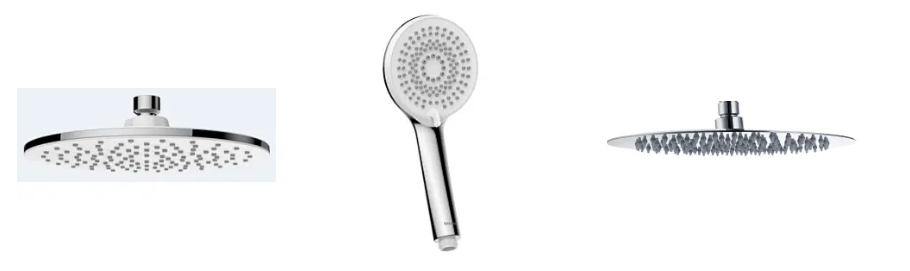
Plastic vs. Metal Shower Heads Which Is Better for Your Facility?

When choosing shower heads for commercial properties like hotels, gyms, dormitories, or rental units, the debate often comes down to plastic vs. metal. Both materials have distinct advantages and drawbacks, and the ideal choice depends on your priorities—cost, durability, aesthetics, or ease of maintenance.

Below is a side-by-side comparison to help you make the most informed decision.

Comparison Table: Plastic vs. Metal Shower Heads

Feature Plastic Shower Heads Metal Shower Heads
Material ABS plastic or thermoplastic Stainless steel, brass, or chrome-coated metal
Weight Lightweight Heavier; more solid and sturdy
Durability Moderate (can crack, fade, or weaken over time) High (resists dents, cracking, and wear)
        Resistance to Corrosion             Naturally rust-resistant         Depends on finish; stainless/brass is corrosion-resistant       
Cost Low to moderate Moderate to high
Appearance Chrome-like finish (may dull over time) Premium, long-lasting luster
Maintenance Easy to clean but prone to buildup More durable under harsh cleaning routines
Installation Easy to handle and install May require more secure mounting due to weight
Lifespan 1–3 years (varies by usage and water type) 5–10 years or more
Environmental Impact Often not recyclable More sustainable and recyclable
Use Case Suitability         Light to moderate use (rental homes, budget hotels)          Heavy-duty use (luxury hotels, gyms, spas)

Advantages of Plastic Shower Heads

  1. Affordability – Plastic units are generally more budget-friendly, making them ideal for large-scale installations in budget hotels or rental properties.
  2. Corrosion-Resistant – Plastic doesn’t rust, which is useful in high-humidity areas.
  3. Lightweight – Reduces stress on mounting hardware; easier for quick retrofits or replacements.
  4. Variety – Widely available in different styles, finishes, and water-saving models.

Best for: Budget-focused facilities, temporary setups, light-use bathrooms, and quick renovations.

 Advantages of Metal Shower Heads

  1. Premium Durability – Withstand high water pressure, cleaning chemicals, and years of daily use.
  2. Aesthetic Appeal – Metal finishes like brushed nickel or chrome add a sleek, high-end look.
  3. Better Performance – Heavier build improves stability; often designed with superior flow control and internal mechanics.
  4. Long-Term Value – Though more expensive upfront, they often outlast plastic models, reducing replacement costs over time.

Best for: High-end hotels, spas, gyms, commercial restrooms, and long-term installations.

Common Misconceptions

  • Not All Metal Shower Heads Are 100% Metal: Many “metal” models use plastic internals or spray nozzles. Always check specifications.
  • High-Quality Plastic Can Perform Well: ABS plastic with chrome plating can closely mimic metal appearance and function reliably for years.
  • Weight ≠ Quality: Some lightweight metal models perform just as well as heavier ones if built with durable alloys and finishes.

Maintenance & Longevity Tips

  • For Plastic Shower Heads:

    • Use gentle cleaners (avoid bleach and high-heat water).
    • Clean mineral buildup monthly if in hard water areas.
    • Avoid overtightening to prevent thread cracking.
  • For Metal Shower Heads:

    • Polish with non-abrasive cleaners to maintain finish.
    • Inspect joints annually for corrosion or wear.
    • Use plumber’s tape during installation to prevent metal-on-metal seizing.

Final Recommendation

Choose Plastic If…
You need a cost-effective solution for large installs.
Aesthetics are less critical than functionality.
You want quick, easy replacements.
Choose Metal If…
You’re outfitting a luxury or high-use facility.
You want a long-term, visually premium solution.
You’re looking to reduce total cost of ownership.

Pro Tip for Commercial Buyers:

For best results, consider hybrid models—metal bodies with plastic nozzles or inner components—offering the durability of metal and the flexibility of plastic. Many reputable brands offer commercial-rated models with warranties tailored to frequent use.

Back to list

Advanced Cookie Settings

Essential Cookies

These cookies enable core functionality such as security, verification of identity and network management. These cookies can’t be disabled.

Enable Marketing Cookies

These cookies are used to track advertising performance, consent to the sending of advertising-related user data to Google, and consent for the website to serve personalized advertising to provide more relevant services.

Enable Functional Cookies

These cookies collect data to remember choices users make to improve and give a more personalised experience.

Enable Analytics Cookies

These cookies help us to understand how visitors interact with our website, discover errors and provide a better overall analytics.

Essential cookies can't be disabled.